

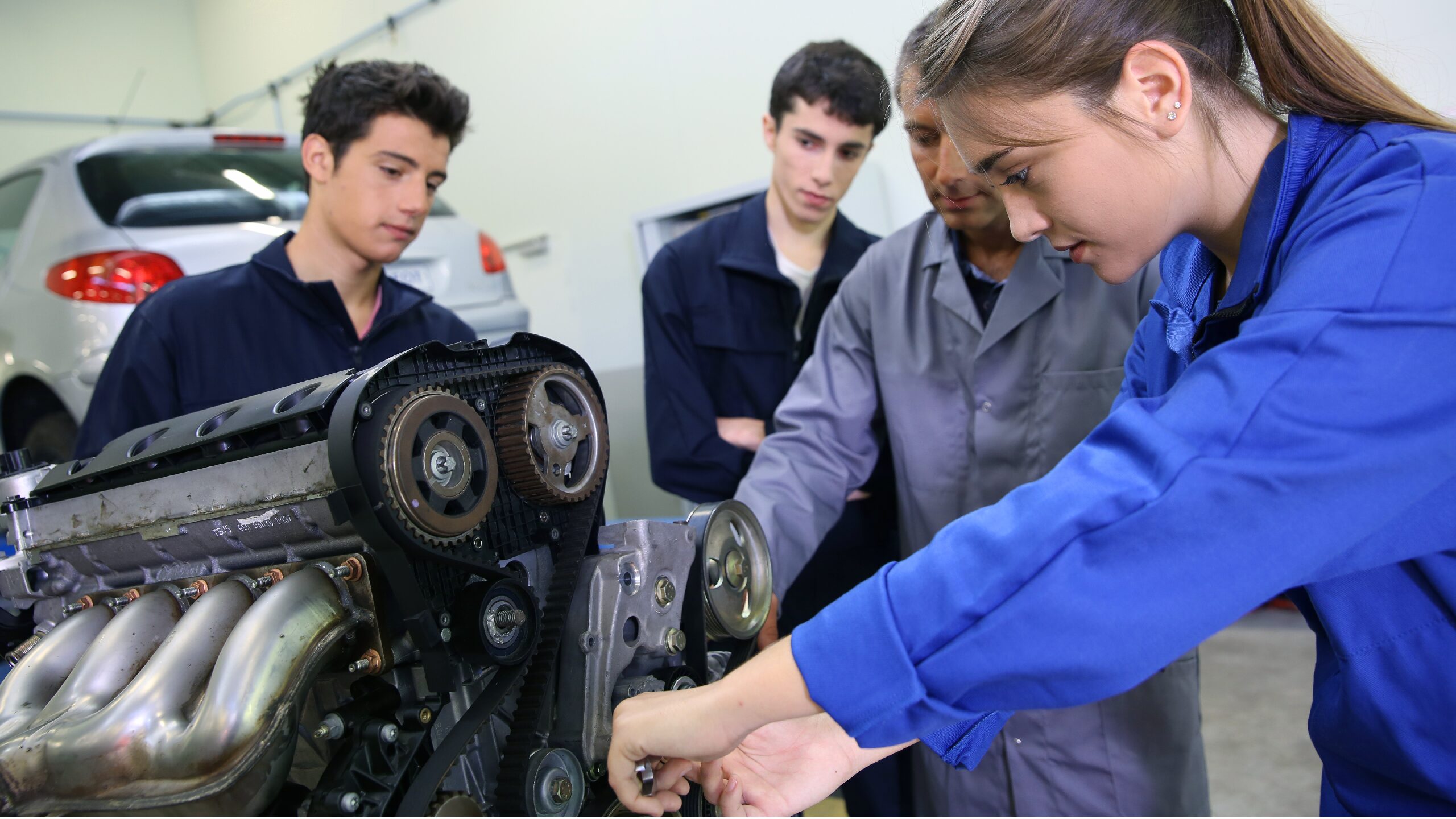
Ford just became one of the first OEMs to build a structured technician apprenticeship program through NADA, creating a formal development pathway at the dealership level. We wrote recently about why apprenticeships are one of the smartest long-term plays in automotive. This announcement validates that argument. It is also an explicit acknowledgment that the external hiring market cannot solve this problem on its own.
The numbers show it so clearly. The automotive industry needs to replace approximately 76,000 technicians per year to keep pace with retirements and new demand. The supply side delivers about 39,000. That 37,000-technician annual shortfall is structural, it was predictable, and the pipeline into trade programs has not caught up with it.
The result: 6,000 open service bays nationwide with no one to fill them. An unfilled service bay costs a dealership approximately $15,000 per week in lost revenue. That lands directly on the P&L.
What the Dealerships Closing the Gap Actually Do Differently
The dealerships making progress on technician acquisition right now share two things. They move fast between first contact and offer, and they have built a structured first-90-days experience.
Technician candidates who make successful transitions into dealership service departments get evaluated consistently, onboarded deliberately, and given clear role expectations from day one. Most dealerships handle this informally, however, informality can lead to inconsistency.
Speed matters in ways that are not always obvious from inside the dealership. A technician evaluating multiple opportunities is not waiting for the right offer. They are accepting the first acceptable one from the employer who made them feel like a priority. A process that takes two weeks from application to offer loses to a process that takes five days, across almost every candidate segment.
The Apprenticeship Pipeline and the Immediate Hiring Problem Require Different Actions
Apprenticeship programs are a supply-side investment. They work, and the ROI case for building technicians from within is real. But they do not address what happens to a service drive with open bays this quarter.
The dealerships who are staffing faster right now are doing two things in parallel: investing in the long-term pipeline through programs like Ford/NADA while tightening their near-term process so they can actually close candidates who are available today. That means showing up in vocational programs and career pathways early, and also auditing how long it takes to move from application to offer and where candidates are dropping out of the funnel.
One builds the future workforce. The other fills the bays that are open now. Waiting on the former to solve the latter is a math problem that doesn’t close.
Hireology is built for automotive retail. If your service drive has open bays and your process takes longer than a week from application to offer, those two facts are connected. We can show you where.
.jpg)

.png)